Share:
Growing concern over Devilfish in Nuevo Leon
According to a UANL specialist, only greater knowledge of this invasive species can reduce the harm it poses to the region’s habitat and to consumers.
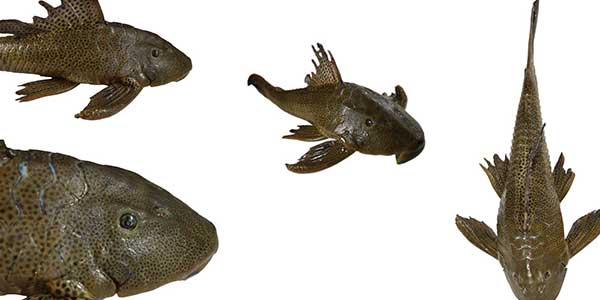
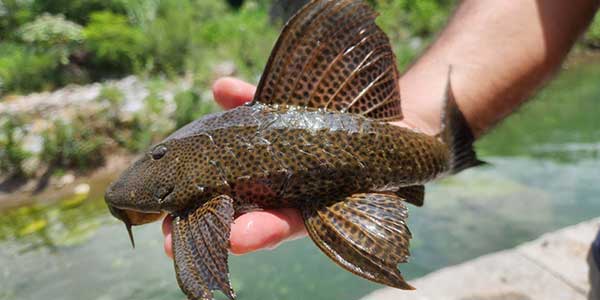
The devil fish (Pterygoplichthys pardalis), a species native to South America, has been found in various bodies of water in Nuevo Leon, prompting concern because little is known about its presence and impact.
This fish, which belongs to the Loricariidae family, has been found in La Boca Reservoir and in the La Silla, Santa Catarina, and San Juan rivers, although the full extent of its distribution remains unknown.
Experts warn that this invasive species can harm native populations by competing for food and space and by altering their habitat. It can also modify the ecology of rivers, lagoons, and reservoirs where it is found. Its strong ability to adapt to different environmental conditions allows it to survive in areas where local species may be affected or displaced.
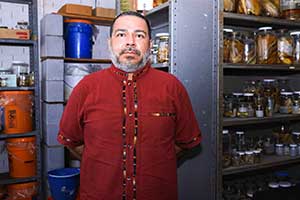
Erick Cristóbal Oñate González, a researcher at the School of Biological Sciences at the Universidad Autonoma de Nuevo Leon, pointed out that one of the main causes of these sightings is the release of specimens from home aquariums.
These species were introduced through human activity. Many people release them when they outgrow their aquariums, unaware of the damage they can cause.
Erick Cristobal Oñate González
UANL Researcher
Environmental and Human Impacts
Devilfish prey on the eggs of native species and compete for microalgae and detritus. They also excavate burrows in riverbanks and reservoir substrates, contributing to erosion and changes in riparian vegetation.
“While native species suffer from pollution or water scarcity, the devil fish adapts and gains ground,” said Oñate González. The researcher also warned that, given the limited knowledge about this species, caution is advised when consuming devil fish, particularly in relation to environmental and public health.
Outreach and Prevention Efforts
To address this issue, UANL has launched studies to determine the species’ distribution and assess its potential ecological impacts. The university specialist emphasized the importance of environmental education and public participation in preventing fish releases and promoting responsible management practices.
“We cannot ask people to care about what they do not know. Environmental education is the first step,” he said.
The specialist proposed several management strategies, including the controlled extraction of specimens and the development of alternative uses—such as processing them into fishmeal for aquaculture or livestock feed, and extracting collagen and cartilage for industrial or artisanal purposes.
Posted by: Portal Web